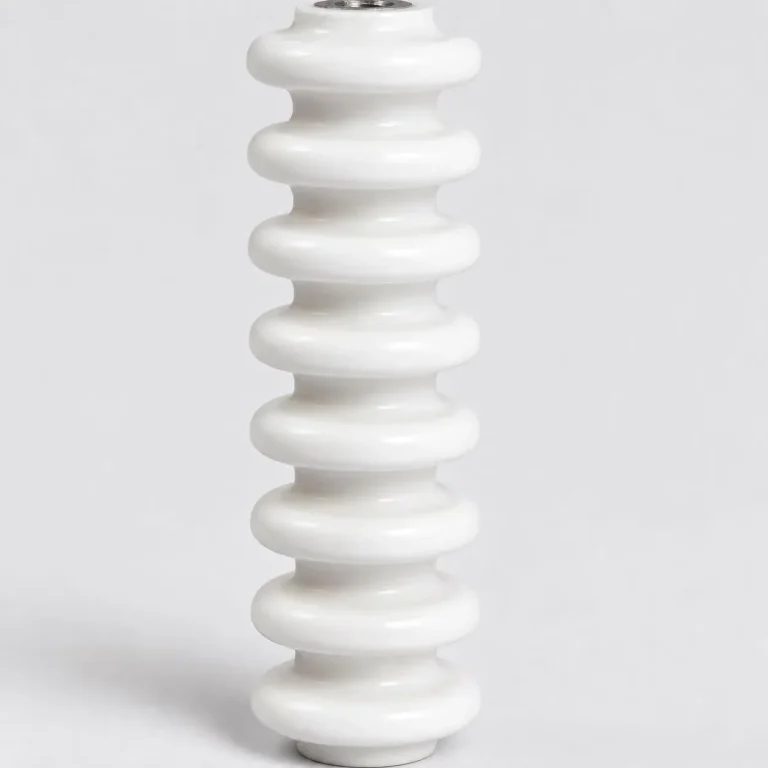
Ceramic-to-Metal Brazed Assemblies
Metallized ceramic brazed assembly
Custom metallized ceramic components and ceramic-to-metal brazed assemblies featuring reliable bonding, electrical insulation and thermal resistance for demanding industrial applications.
Component Types
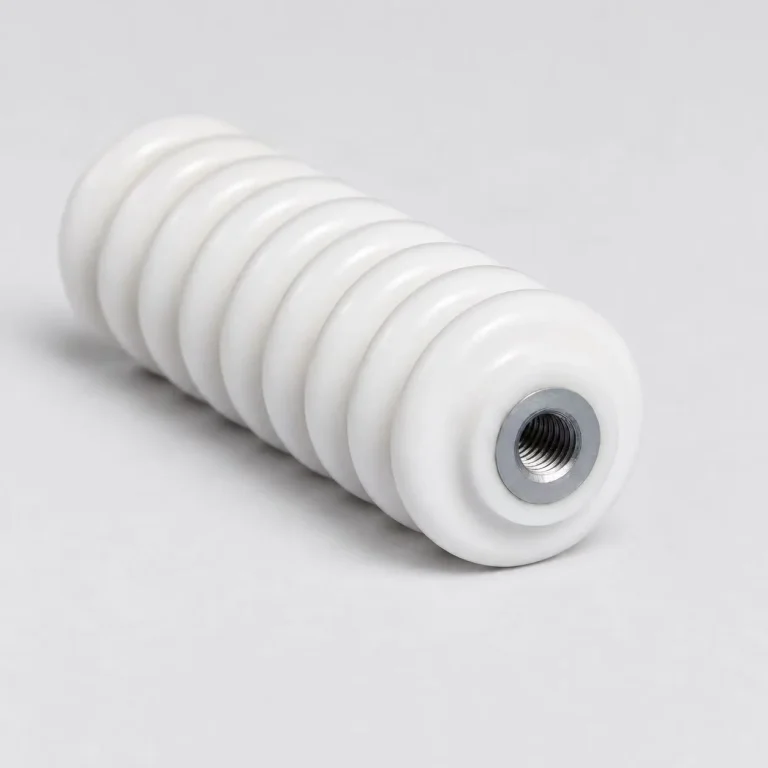
Metalized-Ceramic Brazed-Assembly-02
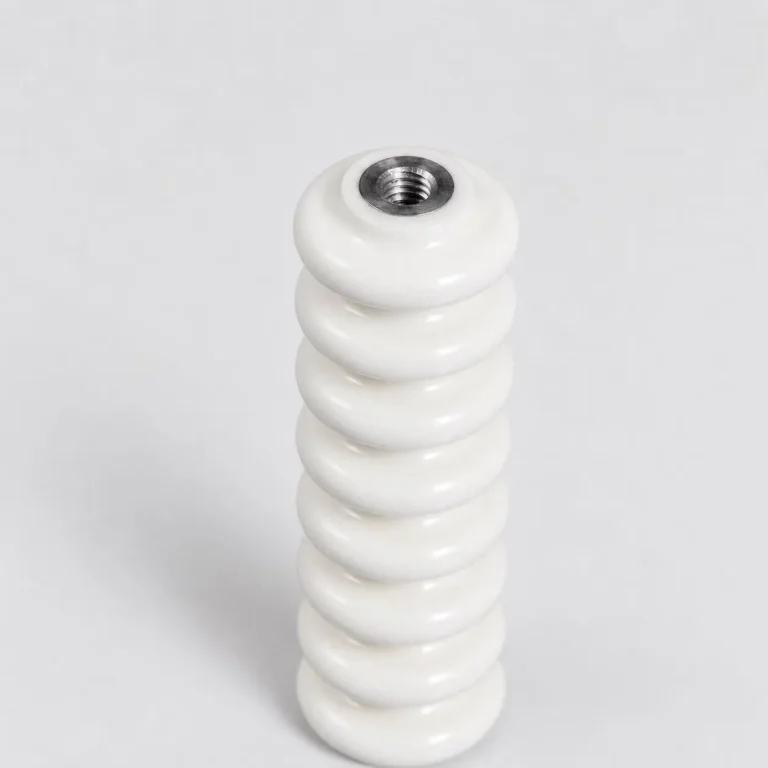
Metalized-Ceramic Brazed-Assembly-03
Technical Specifications
| Parameter | Typical Value / Range | Unit |
|---|---|---|
| Alumina Purity | 95-99 | % |
| Bulk Density | ≥ 3.63 | g/cm³ |
| Thermal Conductivity (25°C) | 22.45 | W/m·K |
| Coefficient of Thermal Expansion (20–1000°C) | 8.26 | ×10⁻⁶/°C |
| Flexural Strength | ≥340 | MPa |
| Dielectric Strength | ≥8.3 | kV/mm |
| Dielectric Constant (1 MHz) | 9.1 | @1MHz |
| Dielectric Loss (1 MHz) | ≤0.0004 | @1MHz |
| Metallization Layer (Mo/Mn) | 15–25 | μm |
| Plating Layer (Ni/Cu/Au etc.) | 8–10 | μm |
Alumina Purity
- Typical Value / Range
- 95-99
- Unit
- %
Bulk Density
- Typical Value / Range
- ≥ 3.63
- Unit
- g/cm³
Thermal Conductivity (25°C)
- Typical Value / Range
- 22.45
- Unit
- W/m·K
Coefficient of Thermal Expansion (20–1000°C)
- Typical Value / Range
- 8.26
- Unit
- ×10⁻⁶/°C
Flexural Strength
- Typical Value / Range
- ≥340
- Unit
- MPa
Dielectric Strength
- Typical Value / Range
- ≥8.3
- Unit
- kV/mm
Dielectric Constant (1 MHz)
- Typical Value / Range
- 9.1
- Unit
- @1MHz
Dielectric Loss (1 MHz)
- Typical Value / Range
- ≤0.0004
- Unit
- @1MHz
Metallization Layer (Mo/Mn)
- Typical Value / Range
- 15–25
- Unit
- μm
Plating Layer (Ni/Cu/Au etc.)
- Typical Value / Range
- 8–10
- Unit
- μm
Detailed Product Information
Metallized Ceramic Components for Brazing Assemblies
TecCera supplies precision metallized alumina ceramic components designed for brazing, soldering and hermetic assembly applications. Metallization can be applied to flat, cylindrical and complex ceramic surfaces using processes such as screen printing, spraying and brushing, depending on component geometry and technical requirements.
Molybdenum-manganese (Mo-Mn) is a commonly used metallization system for alumina ceramics. After firing, the metallized surface can be plated with nickel or other metals to support subsequent brazing, soldering, electrical connection and assembly processes.
Available Component Types
- Metallized ceramic tubes
- Metallized ceramic rings
- Metallized ceramic plates
- Metallized ceramic rods
- Metallized ceramic substrates
- Ceramic feedthrough insulators
- Ceramic-to-metal sealing components
- Custom metallized ceramic parts
Typical Specifications
|
Parameter |
Typical Options |
|
Base material |
Alumina ceramic |
|
Alumina purity |
95%, 96% or 99%, subject to application requirements |
|
Component forms |
Tubes, rings, plates, rods, substrates and custom shapes |
|
Metallization system |
Molybdenum-manganese (Mo-Mn) |
|
Metallization thickness |
Typically 15–25 μm, subject to drawing and process requirements |
|
Plating options |
Nickel, copper, gold, silver or other specified finishes |
|
Plating thickness |
According to the selected metal, joining process and customer drawing |
|
Appearance |
White ceramic with a metallic coating |
|
Customization |
Dimensions, metallized areas, coating pattern and plating finish |
Final material grade, layer thickness and dimensional tolerances must be confirmed according to the customer’s drawing and assembly conditions.
Key Features
- Metallization available on flat, cylindrical and selected complex surfaces
- Controlled metallized patterns for brazing and electrical connection
- Dense and consistent coating with good adhesion to the ceramic substrate
- Good wettability when used with an appropriate plating and brazing process
- High electrical insulation provided by the alumina ceramic body
- Good mechanical strength, wear resistance and thermal stability
- Suitable for ceramic-to-metal joining and high-reliability assemblies
- Custom metallized areas and non-metallized insulation zones available
Hermeticity, joint strength and service performance depend on the complete assembly design, metal parts, brazing alloy, process parameters and operating environment.
Typical Applications
- Hermetic electrical feedthroughs
- Ceramic headers and high-power receptacles
- Insulating discs, rings and cylinders
- Vacuum interrupters and vacuum electronic devices
- Traveling-wave tubes and RF/microwave assemblies
- X-ray tube components
- Sensors and detector assemblies
- Power electronic modules
- High-voltage electrical components
- Medical, aerospace and other high-reliability equipment
- Custom ceramic-to-metal brazed assemblies
Available Metallization and Plating Configurations
- Alumina ceramic + Mo-Mn metallization + nickel plating
- Alumina ceramic + Mo-Mn metallization + copper plating
- Alumina ceramic + Mo-Mn metallization + gold plating
- Alumina ceramic + Mo-Mn metallization + silver plating
- Alumina ceramic + printed silver conductor
- Custom coating and plating combinations based on assembly requirements
The appropriate configuration should be selected according to the brazing alloy, operating temperature, electrical requirements, corrosion environment and required joint performance.
Information Required for Quotation
Please provide the following information when requesting a quotation:
- Component drawing or 3D model
- Alumina purity requirement
- Overall dimensions and tolerances
- Metallized area and pattern
- Required metallization system
- Plating material and thickness
- Brazing or soldering method
- Mating metal material
- Operating temperature and environment
- Hermeticity or joint-strength requirement
- Prototype and production quantities
TecCera will review the application requirements and recommend an appropriate ceramic material, metallization system and plating configuration.