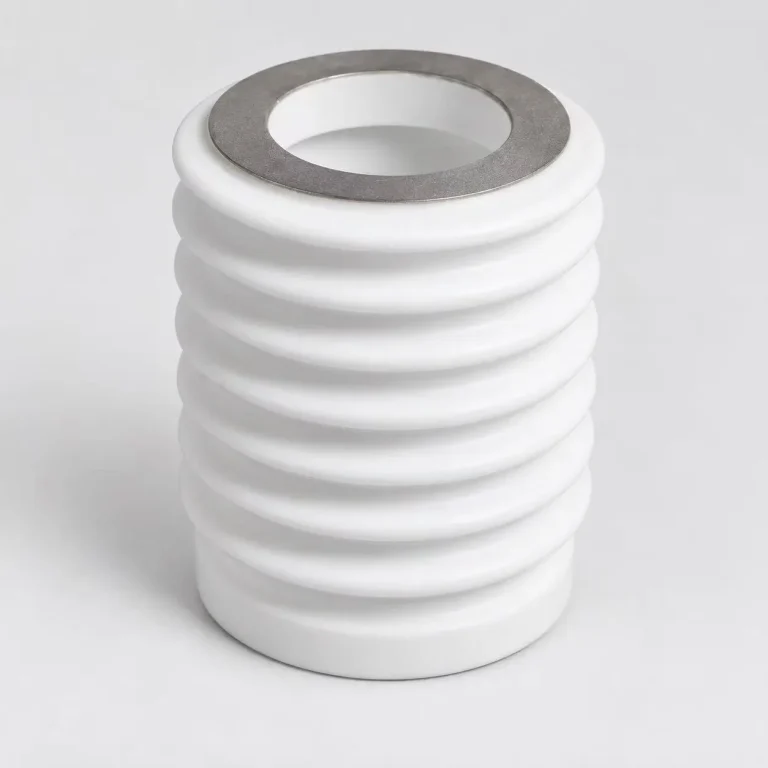
Mo-Mn Metallized Corrugated Alumina Ceramic Tube 01
Mo-Mn Metallized Corrugated Alumina Ceramic Tube
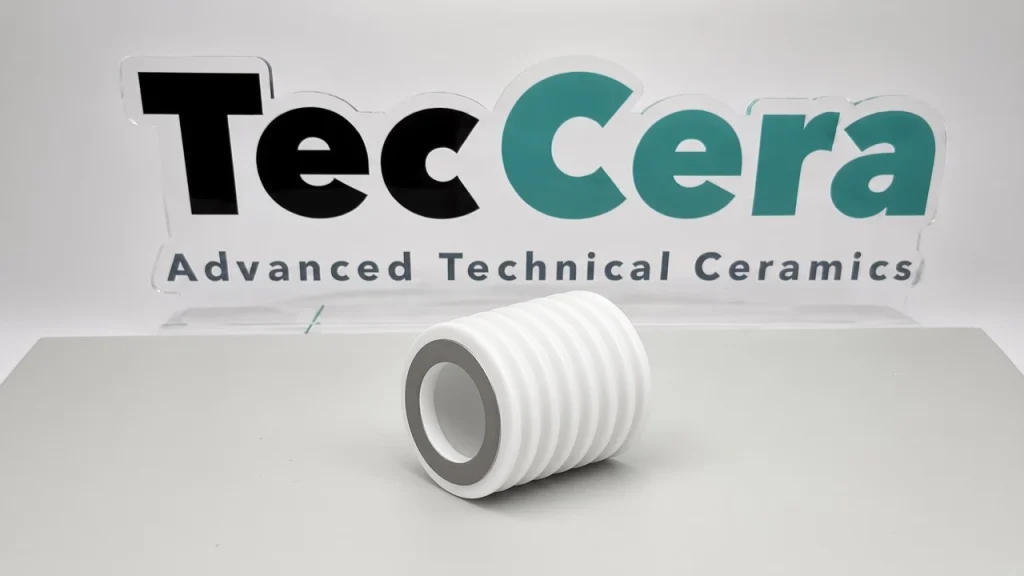
Metallized Ceramic Tubes
Custom corrugated alumina ceramic insulators with selective Mo-Mn metallization for high-voltage, vacuum, and ceramic-to-metal brazed assemblies.
Mo-Mn Metallized Corrugated Alumina Ceramic Tube
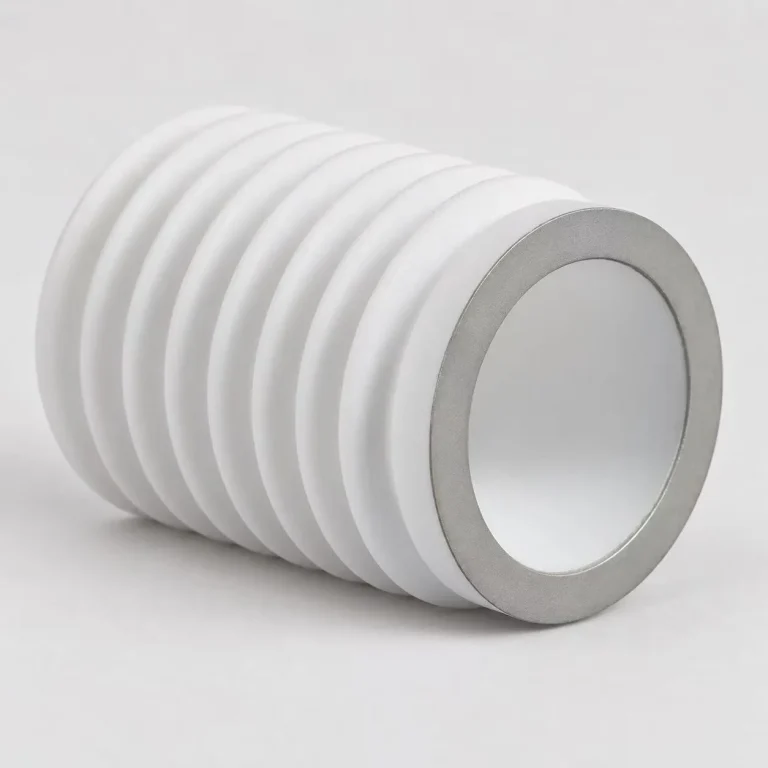
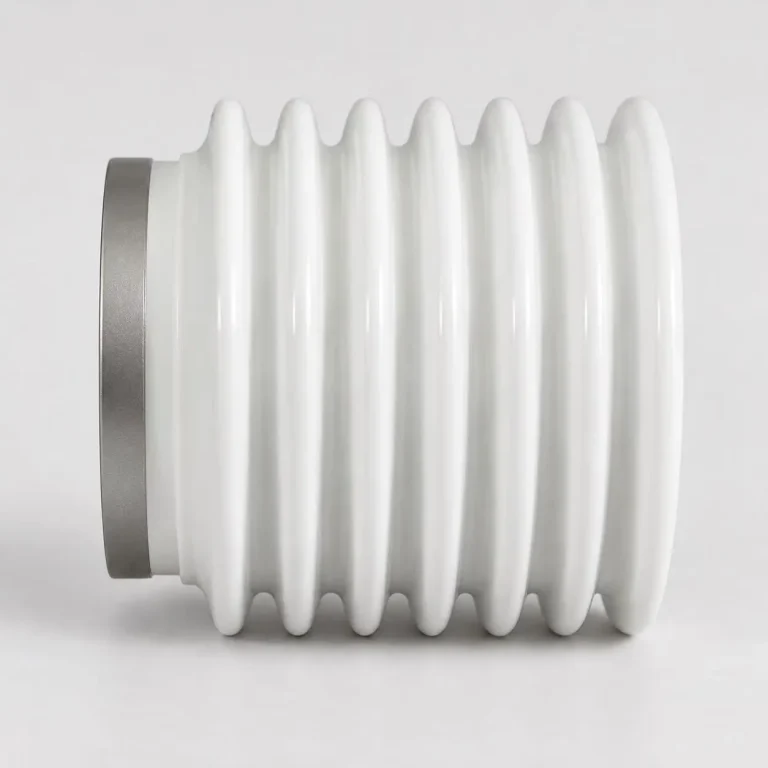
Mo-Mn Metallized Corrugated Alumina Ceramic Tube
| Parameter | Typical Value / Range | Unit |
|---|---|---|
| Al₂O₃ Purity | 95-99 | % |
| Bulk Density | ≥ 3.63 | g/cm³ |
| Thermal Conductivity (25°C) | 22.45 | W/m·K |
| Coefficient of Thermal Expansion (20–1000°C) | 8.26 | ×10⁻⁶/°C |
| Flexural Strength | ≥340 | MPa |
| Dielectric Strength | ≥8.3 | kV/mm |
| Dielectric Constant (1 MHz) | 9.1 | - |
| Dielectric Loss (1 MHz) | ≤0.0004 | - |
| Base Metallization | Mo-Mn | - |
| Metallization Thickness | 15-25 | μm |
| Optional Plating | Ni, Cu, Au or other specified metal | - |
| Plating Thickness | 8-10 | μm |
| Metallized Area | End face or custom pattern | - |
Mo-Mn Metallized Corrugated Alumina Ceramic Insulator
TecCera manufactures custom corrugated alumina ceramic insulators with selective Mo-Mn metallization for high-voltage, vacuum, and ceramic-to-metal brazed assemblies.
The corrugated outer profile increases the surface creepage distance within a compact installation space. This helps improve insulation reliability in properly designed high-voltage systems. The metallized annular end face provides a suitable surface for brazing the ceramic component to compatible metal flanges, sleeves, and housings.
Key Features
Product Advantages
Increased Creepage Distance
The corrugated surface extends the electrical leakage path without requiring a significantly longer component, making it useful in compact high-voltage insulation systems.
Reliable Metallized Surface
The Mo-Mn layer is applied to the alumina ceramic and bonded through high-temperature firing. Optional nickel plating protects the metallized surface and improves wetting during brazing.
Ceramic-to-Metal Compatibility
The metallized end face can be brazed to suitable metal components such as Kovar, nickel alloys, and other compatible materials. Material selection should consider thermal-expansion matching and operating conditions.
Custom Manufacturing
TecCera supports custom outside and inside diameters, lengths, wall thicknesses, corrugation profiles, tolerances, metallized patterns, and plating finishes based on customer drawings.
Typical Applications
Metallization and Plating Options
Mo-Mn metallization with nickel plating is commonly used for ceramic-to-metal brazing. Silver printing is a separate metallization process for selected electrical or lower-temperature joining applications and should be evaluated according to the specific assembly requirements.
Hermetic Sealing
Metallization prepares the ceramic surface for joining but does not by itself guarantee a hermetic seal. Final hermetic performance depends on the ceramic and metal design, thermal-expansion compatibility, braze alloy, joint geometry, brazing parameters, and leak testing of the completed assembly.
Information Required for Quotation
Please provide the following information:
TecCera will review your application requirements and recommend an appropriate ceramic grade, metallization system, and plating configuration.