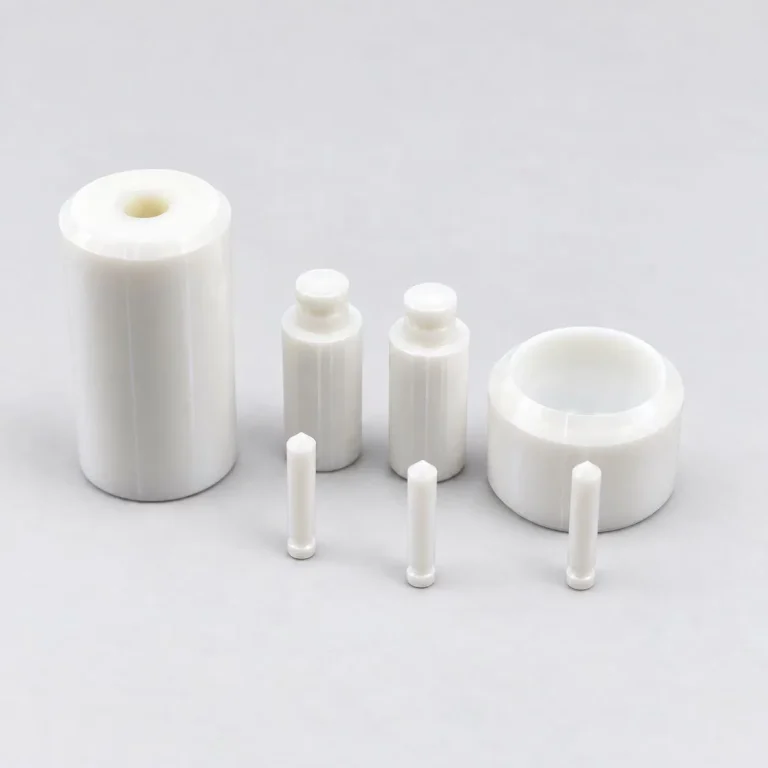
Precision Zirconia Ceramic Shafts and Plungers 01
Precision Zirconia Ceramic Shafts and Plungers
Zirconia Ceramic Shafts and Plungers
Custom zirconia ceramic shafts, rods and plungers with high wear resistance, corrosion resistance and precision-polished surfaces for pumps and industrial equipment.
Precision Zirconia Ceramic Shafts and Plungers
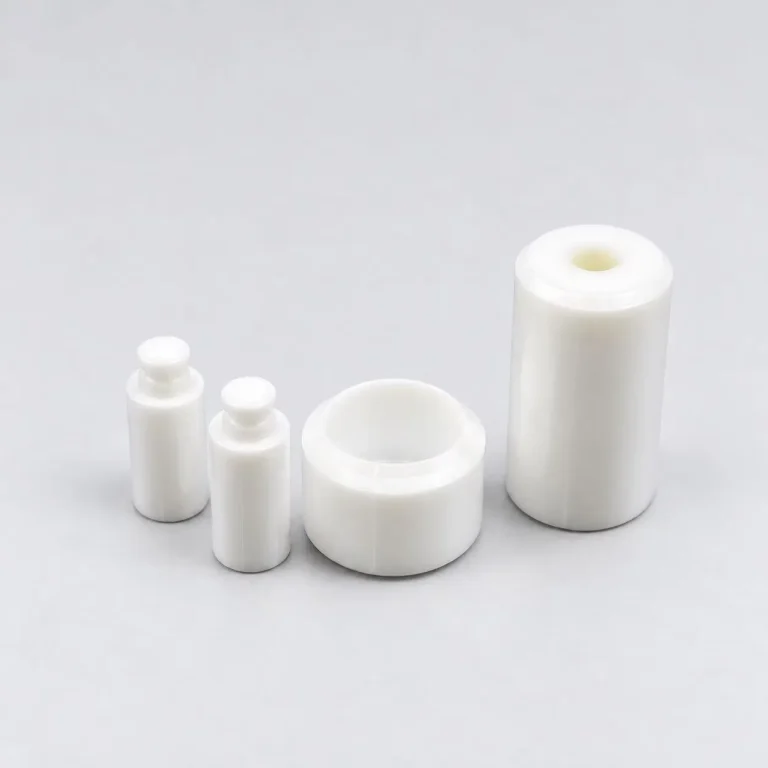
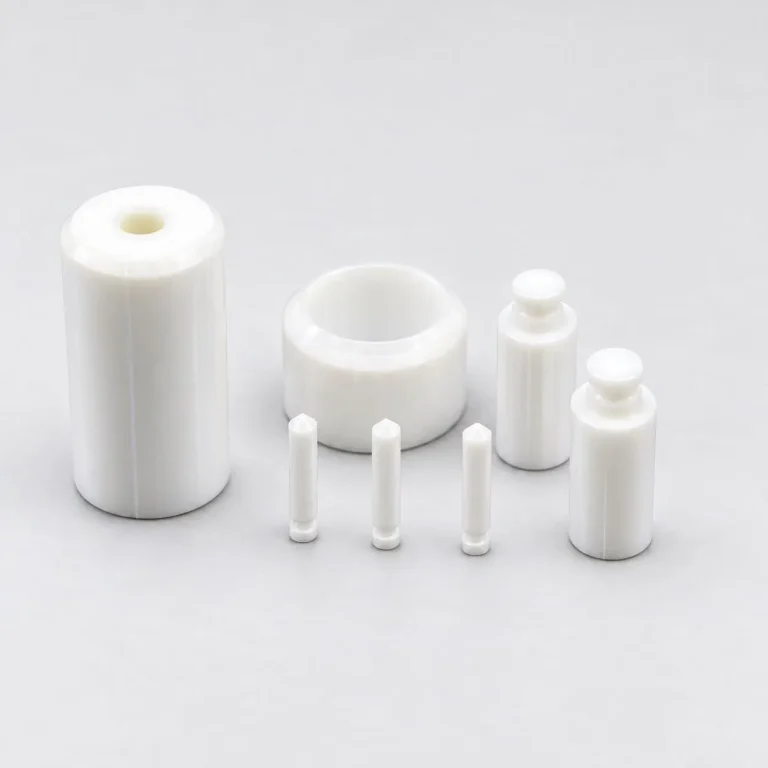
Precision Zirconia Ceramic Shafts and Plungers
| Parameter | Typical Value / Range | Unit |
|---|---|---|
| Material Composition | ZrO₂ stabilized with approximately 3 mol% Y₂O₃ | - |
| Color | Ivory / White | - |
| Density | 6.00–6.05 | g/cm³ |
| Flexural Strength at Room Temperature | 900–1,200 | MPa |
| Fracture Toughness | 6–10 | MPa·m¹ᐟ² |
| Vickers Hardness | 11.8–13.2 | GPa |
| Elastic Modulus | 190–210 | GPa |
| Thermal Expansion Coefficient | 9.5–11.0 | ×10⁻⁶/K |
| Thermal Conductivity at Room Temperature | 2.0–3.0 | W/(m·K) |
| Maximum Continuous Service Temperature | Up to 800, application-dependent | °C |
Precision Zirconia Ceramic Shafts and Plungers
TecCera supplies precision shafts, rods and plungers manufactured from yttria-stabilized zirconia ceramic, typically 3Y-TZP. Combining high strength, wear resistance, corrosion resistance and relatively high fracture toughness among technical ceramics, these components are suitable for demanding rotating, reciprocating and fluid-handling applications.
Precision grinding and polishing can provide controlled dimensions and smooth working surfaces. Diameters, lengths, shoulders, grooves, threads, holes and end profiles can be customized according to customer drawings.
Key Advantages
Actual wear and friction performance depend on the mating material, surface finish, lubrication, medium, speed, load and alignment.
Typical Applications
Applications involving food, pharmaceutical or medical use require separate evaluation of material grade, cleaning procedures, traceability and applicable regulatory requirements.
Customization Options
Available dimensions, tolerances and surface finishes depend on the component geometry and should be confirmed through a drawing review.
FAQ
Q1: How do zirconia shafts compare with stainless-steel components?
Zirconia offers greater hardness, excellent corrosion resistance, electrical insulation and reduced metallic contamination. However, it is more brittle than steel and requires appropriate component design, alignment and handling. Service-life improvement must be evaluated under the actual operating conditions.
Q2: How does zirconia compare with alumina?
Alumina generally has higher hardness and better high-temperature capability, while zirconia typically provides greater flexural strength and fracture toughness. The preferred material depends on wear conditions, load, temperature, chemical environment and component geometry.
XCTzimлить. Wait typo? Need avoid. We need continue final. Let’s rewrite fully without glitch.
Q3: Does a zirconia shaft operate without lubrication?
Not necessarily. A polished zirconia surface may reduce friction in some material combinations, but lubrication requirements depend on the mating surface, load, speed, medium and operating temperature. Dry-running suitability must be confirmed through testing.
rythmic?
Q4: What handling and installation precautions are required?
Avoid dropping, impact, excessive clamping force and lateral loading. Maintain accurate alignment in reciprocating or rotating assemblies and avoid abrupt temperature changes. Appropriate edge radii should be incorporated where stress concentration may occur.
Q5: Can TecCera manufacture custom designs?
TecCera can evaluate custom diameters, lengths, stepped profiles, grooves, threads, holes and polished surfaces according to customer drawings. Manufacturing feasibility and achievable tolerances are confirmed during technical review.
Information Required for Quotation
Please provide: